
Revolutionary Stem Cell Therapy for Chronic Pain Relief
Discover how groundbreaking stem cell therapy is transforming chronic pain treatment for osteoarthritis patients by reducing inflammation, protecting cartilage, and providing a safer alternative to opioids.
HEALTH
12/23/20253 min read
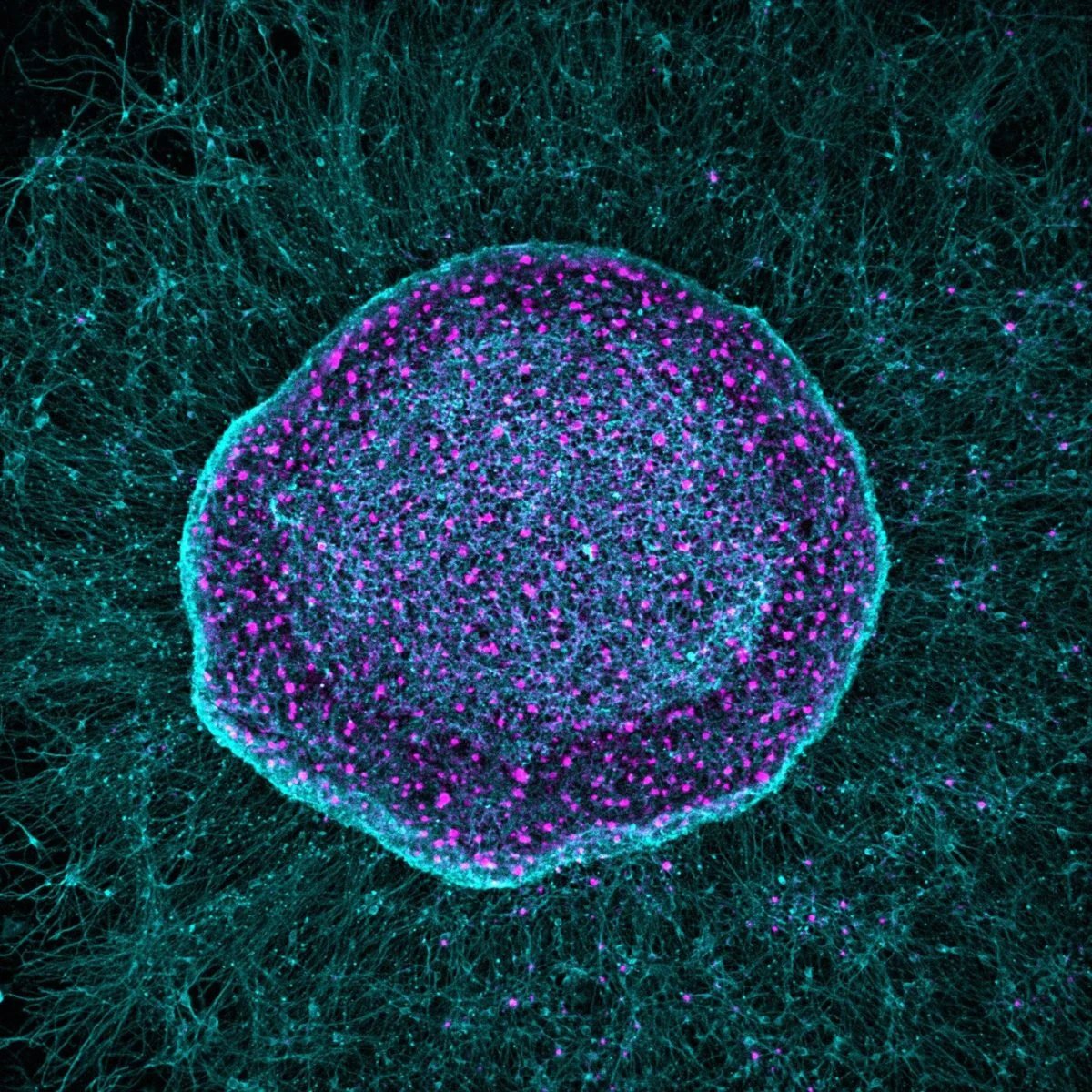
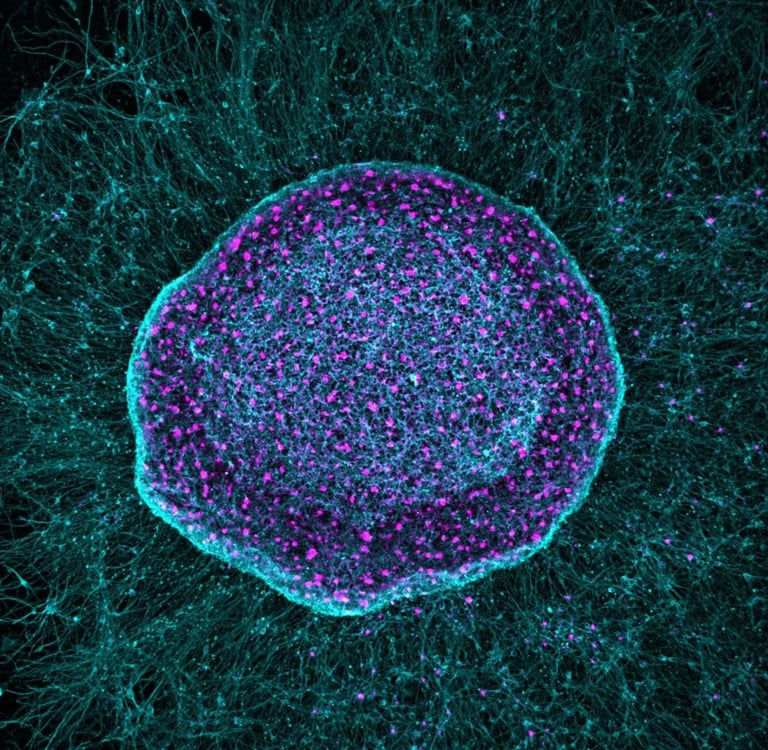
Pain-sensoring neuron called nociceptor Credit: SereNeuro Therapeutics
Chronic joint pain affects millions worldwide and remains one of the most challenging conditions to treat safely and effectively. Osteoarthritis, in particular, causes persistent pain, inflammation, and progressive cartilage damage, often leaving patients dependent on painkillers or temporary treatments. Now, new preclinical research suggests a biological breakthrough that could change how chronic pain is managed—without opioids.
Researchers have introduced an innovative therapy known as SN101, a stem cell–derived treatment that works in a counterintuitive way. Instead of blocking pain signals, the therapy uses pain-sensing neurons themselves to absorb inflammatory molecules and protect joint tissue, earning it the nickname “pain sponge” therapy .
What Is SN101 and How Does It Work?
SN101 is developed from induced pluripotent stem cells (iPSCs)—adult cells that are reprogrammed to behave like embryonic stem cells. These cells are then matured into nociceptors, specialized neurons responsible for detecting pain.
Unlike traditional pain treatments that suppress nerve activity, SN101 takes a different approach. Once injected into affected joints, the nociceptor cells absorb inflammatory molecules associated with pain, preventing those signals from reaching the brain. Importantly, these neurons do not transmit pain themselves, allowing relief without numbing sensation or affecting other nerve functions .
According to Dr. Gabsang Lee, professor of neurology and neuroscience at Johns Hopkins University and scientific co-founder of SereNeuro Therapeutics, the therapy works by engaging pain pathways in an unexpected but effective way. By acting as a biological sponge, SN101 reduces inflammation while also releasing regenerative factors that help preserve cartilage.
Protecting Joints, Not Just Masking Pain
One of the most promising aspects of SN101 is its potential to slow or halt cartilage degradation. Cartilage loss is a defining feature of osteoarthritis and is often worsened by repeated inflammation or certain medications.
Standard treatments like corticosteroid injections are widely used to reduce joint pain. While they offer short-term relief, studies have shown that repeated use can accelerate cartilage breakdown over time, ultimately worsening joint health .
In contrast, SN101 appears to create a joint environment that supports tissue preservation. Preclinical data shows reduced inflammatory markers and improved cartilage stability, suggesting the therapy may function as a disease-modifying osteoarthritis drug (DMOAD)—a long-sought goal in arthritis research.
How SN101 Differs From Other Emerging Pain Therapies
Recent pain-management research has focused heavily on single-target drugs, such as Nav 1.8 channel inhibitors. The purpose of this medication is to block one particular pain pathway. While effective for some patients, they can be limited because pain signaling is complex and involves multiple receptors.
SN101 differs fundamentally. The stem cell–derived nociceptors express all canonical pain receptors and ion channels, allowing them to interact with the entire pain network simultaneously. This biological complexity enables broader regulation of inflammation and pain without shutting down individual pathways artificially.
Dr. Daniël Saris, professor of orthopedics and regenerative medicine at the Mayo Clinic and a member of SereNeuro’s Clinical Advisory Board, notes that this multi-channel approach sets SN101 apart from current standards of care. Rather than temporarily suppressing symptoms, the therapy addresses the underlying inflammatory environment that drives chronic pain.
A Non-Opioid Answer to a Global Problem
The global opioid crisis has highlighted the urgent need for non-addictive pain treatments. Many patients with chronic joint pain are prescribed opioids when other treatments fail, increasing the risk of dependency and long-term health complications.
SN101 offers a compelling alternative. Because it does not interfere with brain signaling or reward pathways, it carries no known addiction risk. This makes it especially relevant for long-term conditions like osteoarthritis, where pain management often spans years or decades.
For healthcare systems worldwide—including regions like the Gulf, where musculoskeletal disorders are rising due to aging populations and sedentary lifestyles—non-opioid therapies could significantly reduce healthcare burdens.
What Comes Next?
The findings on SN101 were presented by SereNeuro Therapeutics, a preclinical biotechnology company focused on next-generation pain solutions. While the current data is preclinical, the results have generated strong interest among researchers and clinicians alike.
Further studies and clinical trials will be necessary to confirm safety, durability, and effectiveness in humans. If successful, SN101 could represent a paradigm shift—from pain suppression to pain modulation and tissue preservation.
As science continues to explore the interface between neuroscience and regenerative medicine, therapies like SN101 highlight a future where chronic pain is treated not with blunt force, but with biological precision.
REFERENCES
Lee, Gabsang. “Rebuilding the Body’s Interfaces: Cell Therapy for Neuroskeletal and Surface Tissues.” ISSCR PSC-Derived Therapies Symposium, 12 Dec. 2025.
SereNeuro Therapeutics. Preclinical Data on SN101 Stem Cell–Derived Nociceptor Therapy. Company Research Presentation, 2025.
Saris, Daniël. Corticosteroid Use and Cartilage Degeneration in Osteoarthritis. Mayo Clinic Department of Orthopedics and Regenerative Medicine, 2024.
Johns Hopkins University School of Medicine. Advances in Stem Cell–Based Pain Therapies. Johns Hopkins Medicine Research Briefs, 2025.