

Inside LEGO's Employee-Only Museum: A Creative Journey
Discover the secrets behind LEGO's success in their exclusive employee-only museum. Explore how a simple system, creative freedom, and constant reinvention have kept this iconic toy brand thriving for nearly a century, even amidst modern sustainability challenges.
12/21/20254 min read

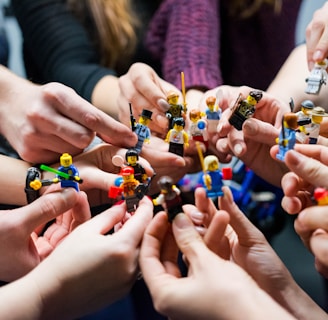
Few brands in the world are as instantly recognizable as LEGO. The colorful plastic bricks—known for their distinctive feel, unmistakable sound, and painful reputation under bare feet—have shaped childhoods across generations and cultures. Behind this global phenomenon lies a carefully preserved history, housed in a private LEGO museum in Denmark that is normally accessible only to company employees.
Recently, journalists were given rare access to this hidden archive, offering a deeper look into how a simple yet powerful idea helped LEGO survive economic downturns, changing tastes, and technological revolutions—while continuing to inspire creativity worldwide.
From a Carpenter’s Workshop to a Global Icon
The museum is located beside the original home of LEGO’s founder, Ole Kirk Kristiansen, a carpenter who began crafting wooden toys in the 1930s. The brand name itself reflects its core philosophy: “LEGO” comes from the Danish phrase “leg godt,” meaning “play well.” This principle still guides the company’s design and culture today (LEGO Group).
Inside the museum are some of the earliest LEGO bricks, including pieces from the 1950s, when the company made a pivotal decision that would define its future. That decision was the introduction of the LEGO System of Play—a concept built on one revolutionary idea: every brick should connect with every other brick, no matter when it was made.
The Power of a System, Not Just a Toy
The first LEGO “system” was showcased as a small town built in 1955. Though modest by today’s standards, it laid the foundation for everything that followed. The brilliance of the system was its backward compatibility—a brick produced today still fits perfectly with one made more than 60 years ago.
This consistency allowed LEGO creations to evolve from simple houses to medieval castles, space stations, and intricate architectural landmarks. The museum displays vintage sets that still function exactly as intended, including a working drawbridge castle from the 1970s, demonstrating the durability and precision engineering behind the brand (CBS News).
Creativity Across Generations
Over time, LEGO designs have grown increasingly ambitious. Alongside classic sets, the museum features detailed replicas of global landmarks like the Eiffel Tower, artistic flower bouquets, and popular sub-brands such as Ninjago, which has introduced a new generation of children to LEGO’s universe.
The brand’s appeal now spans generations. While children remain LEGO’s primary audience, Adult Fans of LEGO (AFOLs) represent a growing global community, driven by nostalgia, design challenges, and shared creativity (Doxey).
Inside LEGO House: A Living Monument to Play
Adjacent to the museum is LEGO House, a 130,000-square-foot interactive experience filled with more than 25 million LEGO bricks. At its center stands the iconic Tree of Creativity, a nearly 50-foot-tall structure made from over 6 million bricks, currently the largest known LEGO build in the world (LEGO House).
Each branch of the tree is densely detailed, symbolizing the endless possibilities of the LEGO system and the creative minds behind it.
The Designers Behind the Bricks
LEGO’s success is not accidental. The company employs around 700 designers, working collaboratively to balance imagination, safety, and play value. According to André Doxey, LEGO’s first American Head of Design, creativity—not technical perfection—is the key to LEGO’s longevity.
“You don’t have to be a designer,” Doxey explained. “You just have to be curious, brave, and willing to try.”
Design Master Milan Madge emphasized that while digital tools are increasingly used, physical bricks remain central to the creative process. Hands-on building, he said, creates a powerful connection between the mind and imagination—something screens alone cannot replicate (Madge).
More Than a Toy: A Social Connector
LEGO’s success also lies in its ability to bring people together. Families build side by side. Friends collaborate on shared projects. Communities form around exhibitions, competitions, and online platforms. The familiar sound of bricks rattling in a box has become a universal symbol of creativity and play.
“That sound,” Doxey noted, “everyone knows exactly what it is.”
A Plastic Legacy Meets a Climate Reality
Despite its cultural impact, LEGO faces a significant challenge: sustainability. The company produces approximately 60 billion bricks annually, and traditional LEGO bricks are made from plastic derived from fossil fuels. According to data from the sustainability platform illuminem, every ton of LEGO bricks requires roughly two tons of petrochemicals during production (illuminem).
LEGO has tested over 600 alternative materials, including plant-based plastics and recycled sources. However, many failed to meet the brand’s strict requirements for safety, durability, and precision. In 2023, the company abandoned its highly publicized “bottles to bricks” initiative after discovering it would increase carbon emissions rather than reduce them.
Balancing Durability and Responsibility
LEGO argues that durability itself is a form of sustainability. Bricks are designed to last decades, often passed down through generations, reducing the need for replacement. The company has pledged that 60% of the materials it purchases will come from sustainable sources by the end of the year, though fully replacing plastic remains an unresolved challenge (LEGO Group).
Still Evolving, Brick by Brick
Even after nearly a century, LEGO continues to adapt—technologically, creatively, and ethically. The secret museum in Denmark is more than a collection of old toys; it is a blueprint for resilience built on systems thinking, creativity, and a deep understanding of how humans learn through play.
In a rapidly changing world, LEGO’s story shows that sometimes the strongest innovations are the simplest ones—designed to connect, endure, and inspire imagination across generations.
References
CBS News. “Rare Look Inside LEGO’s Secret Museum.” CBS News, www.cbsnews.com.
Doxey, André. Interview. CBS News, LEGO Group, Denmark.
illuminem. Plastics and Petrochemical Use in Manufacturing. illuminem.com.
LEGO Group. History of the LEGO System of Play. LEGO Group, www.lego.com.
LEGO House. The Tree of Creativity. LEGO House Official Site, www.legohouse.com.